
Water Heater Maintenance in Northern Utah
Riverdale based • Serving Northern Utah from Cache Valley to Utah County • Local team of 4 • In business since 2019
A water heater works silently in a corner of your home until the day it does not. Regular maintenance is what keeps that day from arriving early. Frosty's Elite Water Heater Service maintains traditional tank water heaters across Northern Utah, from Cache Valley to Utah County, with the focus that comes from working on water heaters only.
Northern Utah has notoriously hard water. The minerals in that water settle out as sediment inside your tank, and over time that buildup steals capacity, forces the burner or element to work harder, and shortens the life of the unit. Maintenance is how you stay ahead of that.
Our four person team flushes sediment, inspects the sacrificial anode rod, and tests the safety valves that protect your home. Done on a regular schedule, this simple care helps a unit last longer and run more efficiently.
Signs Your Water Heater Needs Maintenance
- Rumbling, popping, or knocking sounds when the unit fires up
- Hot water runs out sooner than it used to
- It has been more than a year since the tank was last flushed
- You have never had the anode rod checked and the unit is a few years old
- The T&P relief valve has never been tested
- Rusty or discolored hot water that suggests sediment or a depleted anode rod
What We Do During a Maintenance Visit
A maintenance visit is a full checkup, not just a quick flush. Here is what we work through:
- 1
Flush the sediment
We drain the tank and flush out the mineral sediment that has settled at the bottom. In hard water areas like Northern Utah, this buildup is the number one cause of rumbling noises and lost capacity.
- 2
Inspect the anode rod
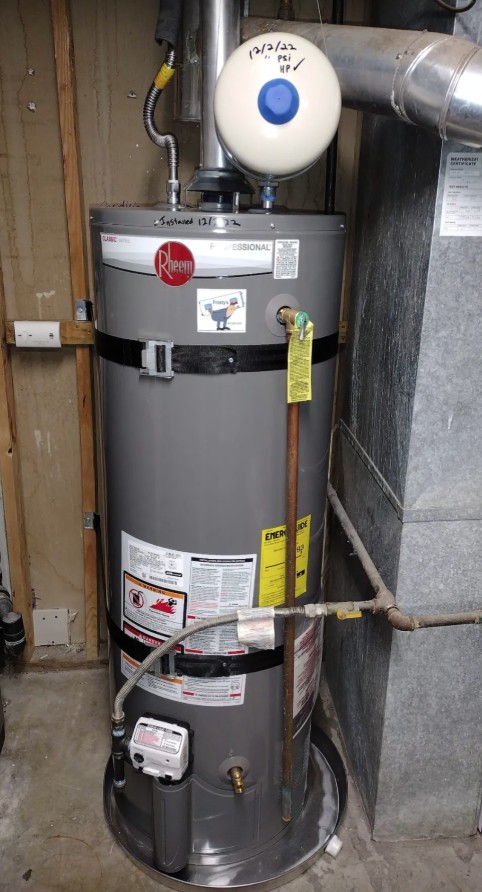
The sacrificial anode rod is designed to corrode so your tank does not. We pull it, check how much life is left, and replace it when it is depleted, which is one of the best ways to protect the tank lining.
- 3
Test the T&P relief valve
The temperature and pressure relief valve is a safety device. We test that it opens and seats properly so it can do its job if pressure ever builds too high.
- 4
Check the heating element or burner
On electric units we test element function. On gas units we check the burner and pilot assembly for proper, clean combustion.
- 5
Inspect connections and the expansion tank
We look over the water connections, the gas or electric supply, and the thermal expansion tank for any signs of wear or weeping.
- 6
Report what we found
We tell you the condition of your unit in plain language and let you know when the next service should happen based on what we saw.
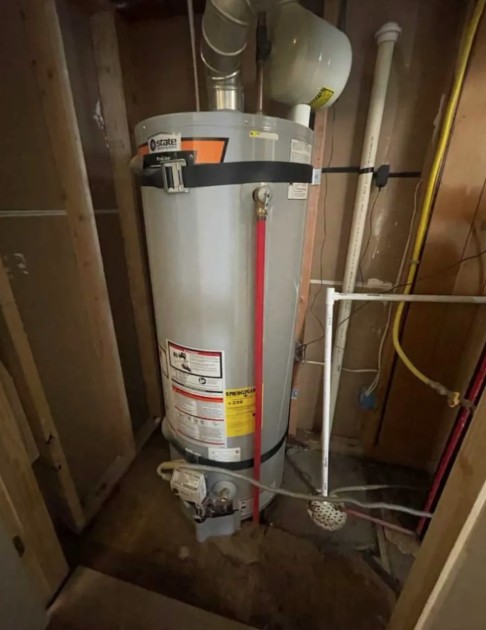
Want longer protection? We install the Corro-Protec powered anode rod for $550, warrantied 20 years on parts and installation.
What to Expect When You Call
- We schedule maintenance around your day and explain what the visit covers before we start.
- You get an honest report on the condition of your unit, including the anode rod and sediment level.
- If we spot a developing problem, we tell you about it early instead of waiting for it to become a failure.
- We are open 24/7, so if maintenance turns up something urgent, we can act on it right away.
Add-Ons That Help Your Tank Last
Expansion Tanks
Call for bidThese sit on top of your water heater and help prolong its life.
Extra Anode Rod
Call for bidThis also helps prolong the life of your tank.
Water Heater Maintenance Frequently Asked Questions
Why does sediment build up so fast in Northern Utah water heaters?+
How often should I flush my water heater?+
What does the anode rod do, and why does it matter?+
Will flushing the tank stop the rumbling noise?+
Can maintenance really help my water heater last longer?+
Do you maintain both gas and electric water heaters?+
Open 24/7 • Local team of 4 • Northern Utah water heater dispatch
Need Hot Water Back? We're Open 24/7.
Submit your details below and our on-duty technician will reach out immediately by your preferred method.